Focus: Noel Rockmore

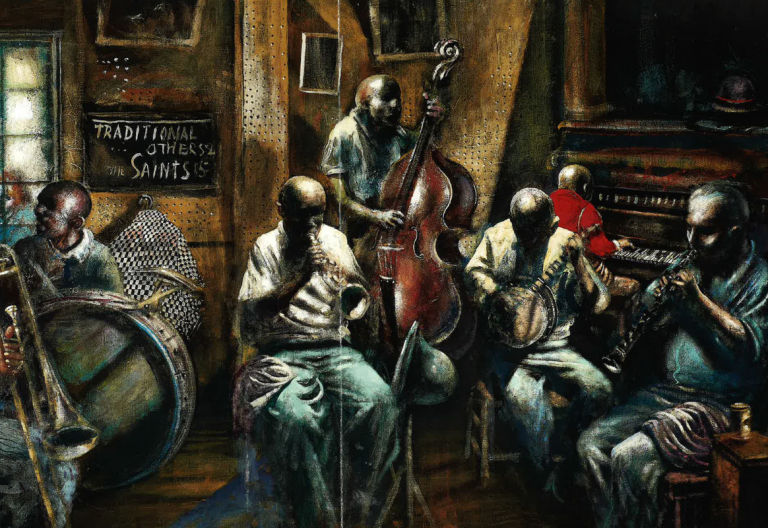
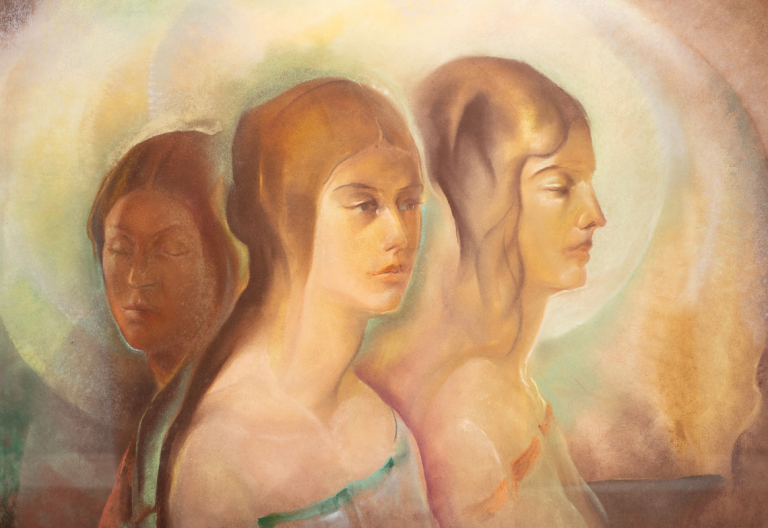
Noel Rockmore was a regular patron of the cafes and bars of New Orleans’ French Quarter from the 1960s through the 1990s, and he held court with no less intrigue and charisma than his fellow bohemian, Tennessee Williams. Arriving in “the last frontier of Bohemia” in 1959, Rockmore discovered the place of his dreams, a place that allowed him to both portray the fantasy and decay so central to his personal aesthetic, and to do so by painting what was there, without embellishment. Read More about Focus: Noel Rockmore

Artists & Sense of Place Residency Flying Horses

Teaching artist Jackie Inglefield spent 3 weeks with 2nd – 4th graders from Edward Hynes Charter School: Lakeview to collect discarded plastic bottles to reuse and recycle to create life sized horse armatures. They learned about the environmental impact of plastic waste and glass recycling and used various techniques, coloring, cutting and sewing to transform the bottles into works of art. Read More about Artists & Sense of Place Residency Flying Horses

Burke’s Delight The Stacey and Michael Burke Collection

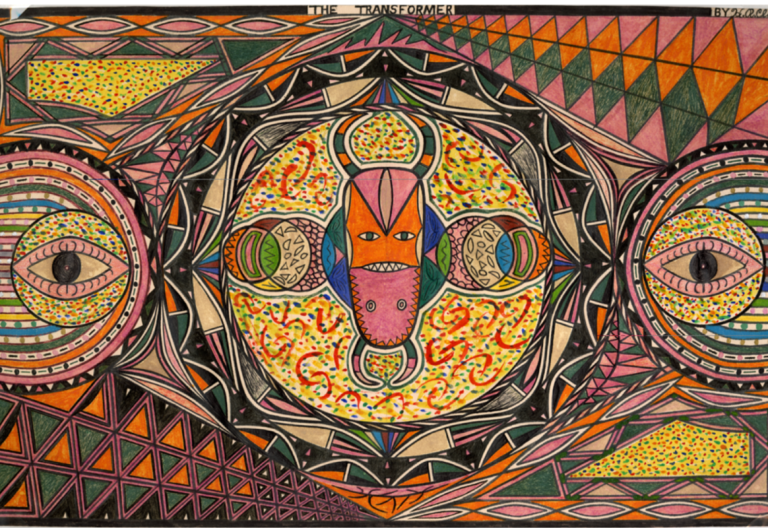
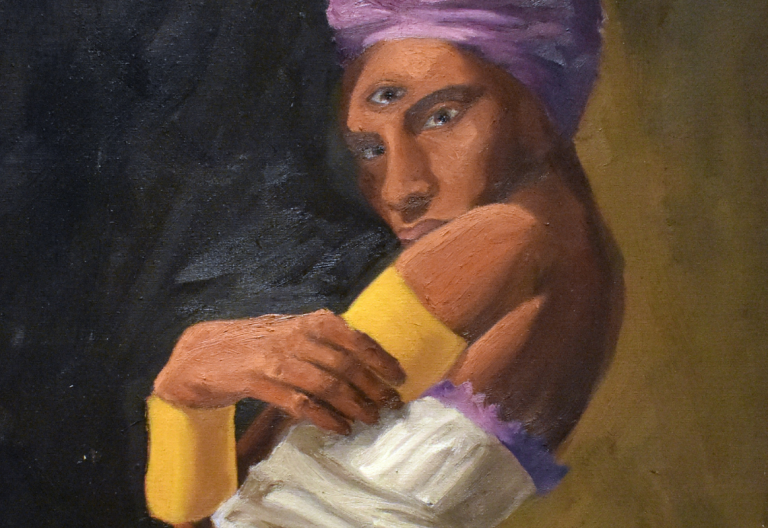
Burke’s Delight: The Stacey and Michael Burke Collection, features a significant recent donation of more than 80 works by over 50 artists from across the American South. This donation not only expands the Museum’s already impressive collection in this genre but also highlights the profound contributions of self-taught and Visionary artists to the region’s cultural heritage. This exhibition presents work that challenges traditional notions of artistic values and aesthetics. Read More about Burke’s Delight The Stacey and Michael Burke Collection

Herman Leonard: Images of Jazz Presented by The Helis Foundation

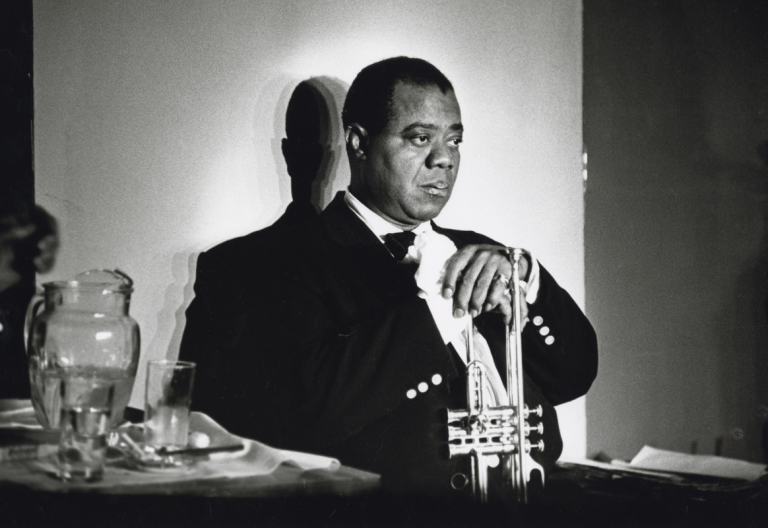
Herman Leonard is widely considered the most important photographer of Jazz musicians after World War II. Born in 1923 in Allentown, Pennsylvania, Leonard lived and worked in Ottawa, New York City, Paris and Ibiza before he moved to New Orleans in 1991. The fifteen years he lived in New Orleans (ending with the loss of his home and studio to the floodwaters of Hurricane Katrina) was a period of particular significance to his career – a time of critical recognition and growing fame, with several exhibitions of his work at A Gallery for Fine Photography in the French Quarter and the printing of this important portfolio of 30 photographs. His time in New Orleans culminated in a major retrospective exhibition and corresponding book publication titled Jazz, Giants and Journeys: The Photography of Herman Leonard in 2006, organized by Ogden Museum of Southern Art. Read More about Herman Leonard: Images of Jazz Presented by The Helis Foundation

Raven Halfmoon Flags of Our Mothers

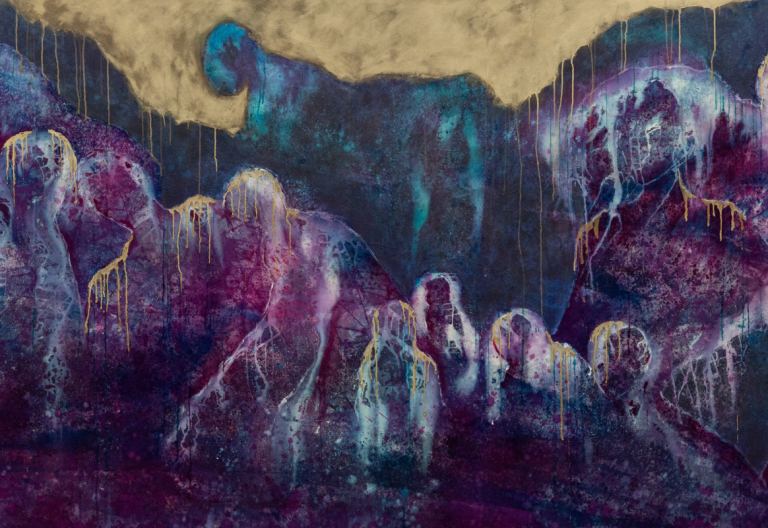
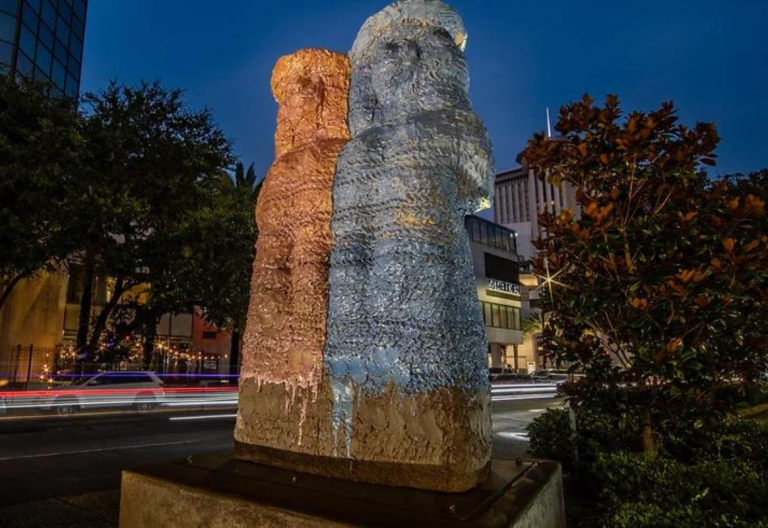
Raven Halfmoon: Flags of Our Mothers features new and recent works made over the last five years. Commissioned by The Aldrich and Bemis Center, the exhibition debuts Halfmoon’s largest works to date, including a three-part stacked ceramic sculpture standing over twelve-feet tall. The title of the exhibition is a tribute to the matriarchs in her life and all the Indigenous women, who over many centuries have created and endured, keeping their stories and traditions present, active and alive. Read More about Raven Halfmoon Flags of Our Mothers

The Unending Stream: Chapter II

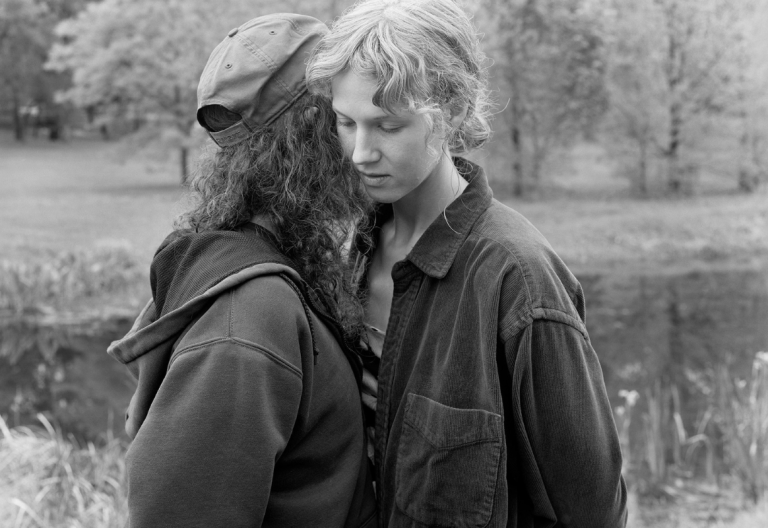
The Unending Stream is a two-part exhibition that showcases the thriving community of photographers in New Orleans. The title of the exhibition pays homage to a Clarence John Laughlin photograph of the same title, which is a part of the permanent collection at Ogden Museum of Southern Art. Laughlin’s seminal work, created between the 1930s and 1950s, is an important chapter in the long-storied relationship between New Orleans and photography. Following in his visionary footsteps, this exhibition focuses on emerging and underrepresented photographers who continue to focus on the South through poetic imagery. The Unending Stream celebrates New Orleans’ continuing role as one of America’s most important cultural capitals while also highlighting the role that the arts have played in revitalizing the region for the past twenty years since Hurricane Katrina. Read More about The Unending Stream: Chapter II